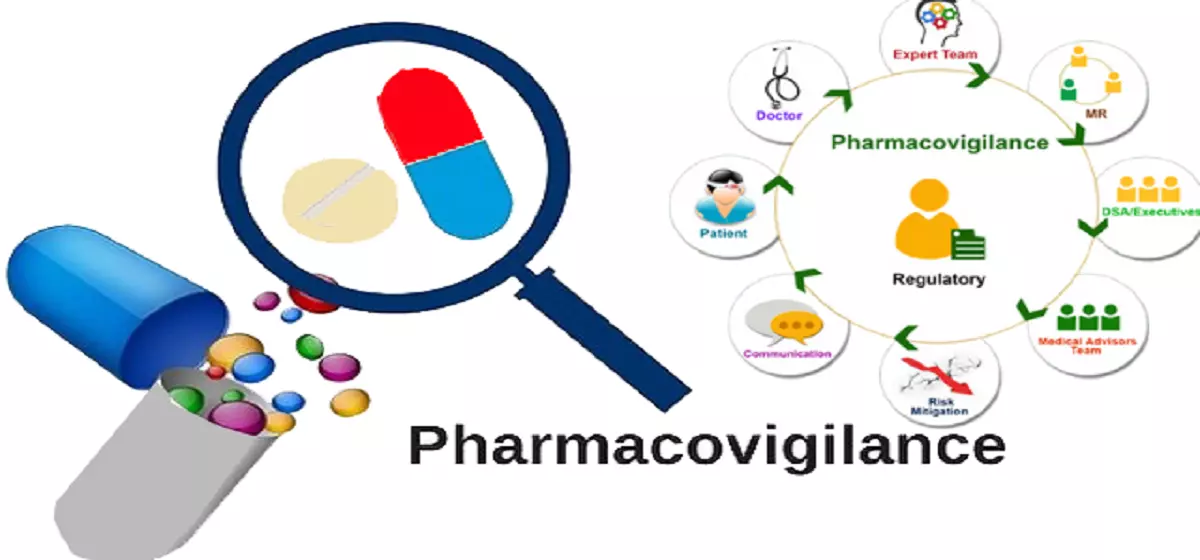
As medical science advances and patient safety becomes a global priority, pharmacovigilance and drug safety have emerged as some of the most critical functions within the pharmaceutical and clinical research industry. Today, no drug can reach the market without rigorous safety monitoring, regulatory evaluation, and continuous post-marketing surveillance.
Pharmacovigilance (PV) is the scientific discipline responsible for detecting, assessing, understanding, and preventing adverse effects of medicines. It ensures that drugs available to the public meet the highest safety standards throughout their lifecycle from clinical trials to real-world patient use.
What Is Pharmacovigilance and Why Is It So Important?
Pharmacovigilance involves continuous evaluation of a drug’s risk–benefit profile through clinical studies, post marketing surveillance, and real world safety data. These activities help determine whether a medicine should remain in use, require warnings, or be withdrawn from the market.
With increasing regulatory scrutiny and patient awareness, pharmacovigilance has become a
core pillar of clinical research. Behind every safety claim made by a pharmaceutical company is a dedicated team of pharmacovigilance professionals ensuring compliance, accuracy, and ethical responsibility.
Pharmacovigilance training programs are designed to help learners understand both the scientific and regulatory aspects of drug safety, guided by industry experts with real-world experience.
Pharmacovigilance and Drug Safety Jobs: Is it a Good Career in India?
Certainly, there is always a demand for a skilled and trained workforce in a pharmacovigilance and drug safety environment. Check out the points listed below to reaffirm that a career in PV and drug safety is lucrative in India.
1. High Career Growth and Promotion Opportunities
Certified pharmacovigilance professionals often enjoy
faster career progression, better
jobs in clinical research settings, and higher chances of promotion. Drug safety expertise is highly valued across pharmaceutical companies, CROs, and regulatory organisations.
2. Strong Demand Across the Pharma & Clinical Research Industry
As regulatory authorities demand stricter compliance and transparency in safety, organisations are actively hiring trained drug safety professionals. Pharmacovigilance is no longer optional—it is a regulatory necessity.
3. Deeper Understanding of Clinical Research
While clinical research focuses on drug development and efficacy, pharmacovigilance emphasises patient safety and long term impact. Training in PV strengthens a professional’s understanding of how safety monitoring integrates with the broader clinical research ecosystem.
Pharmacovigilance Course and Certification
A professional certification in pharmacovigilance helps candidates:
- Build strong foundations in drug safety principles
Understand adverse event (AE) and serious adverse event (SAE) reporting
Gain exposure to global regulatory guidelines
Improve employability in clinical research roles
Certified PV professionals often demonstrate greater confidence, accountability, and clarity in handling safety related responsibilities, making them valuable assets to employers
Join the Pharmacovigilance training institute
Industry Job Demand for Pharmacovigilance Professionals
The demand for pharmacovigilance and drug safety experts has increased steadily due to:- Stricter government regulations
- Increased clinical trial activity
- Globalisation of pharmaceutical research
- Rising patient awareness about medication safety
Pharmacovigilance has expanded beyond traditional clinical research into areas such as medical research, biotechnology, and genetic studies, making it a future ready career option.
Career Opportunities in Pharmacovigilance & Drug Safety
After completing pharmacovigilance or clinical research training, professionals can explore roles such as:
- Pharmacovigilance Associate
- Drug Safety Associate
- Drug Safety Specialist
- Pharmacovigilance Analyst
- Pharmaceutical Drug Safety Surveillance Officer
- Drug Safety Physician
- Lead Consultant – Pharmacovigilance
These roles focus on safety data evaluation, regulatory reporting, signal detection, and compliance management across clinical and post marketing phases.
Future Trends in Pharmacovigilance and Clinical Research
The future of pharmacovigilance is being shaped by digital transformation and artificial intelligence. Emerging trends include:
AI-based signal detection
Automated adverse event case processing
Predictive safety analytics
Advanced risk assessment models
These innovations will not replace professionals but instead
enhance efficiency and accuracy, creating more specialised and higher value roles in the industry. As technology advances, pharmacovigilance professionals with strong analytical and regulatory knowledge will see increased demand and
jobs in clinical research & PV industry
Final Conclusion
Pharmacovigilance and drug safety are no longer support functions as they are central to modern drug development and public health protection. For pharmacy and life science graduates seeking a stable, ethical, and globally relevant career, pharmacovigilance offers long-term growth, responsibility, and impact.